
Planning a clinical trial in order to test a possible treatment for Ebola. This is the reason that brought Roberto Satolli – physician and journalist, director of Zadig and member of the TELL ME project – to the small fishing town of Lakka, a few miles from Freetown, in Sierra Leone. He is there with Emergency, the Istituto Spallanzani of Rome and the Reggio Emilia IRCCS, to assess the situation and discuss the protocol that should lead the research. “In order to better coordinate some aspects of the experimentation, my presence on the field was necessary,” explains Roberto.

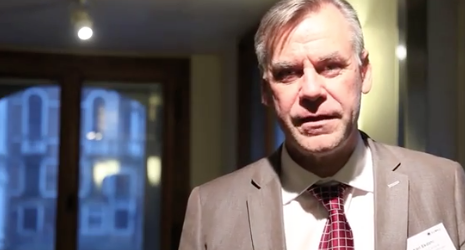
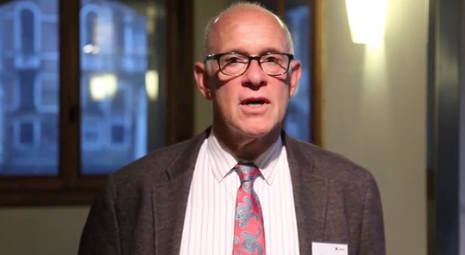
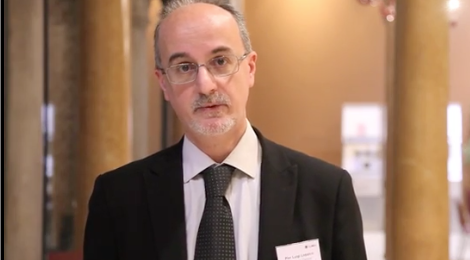
EXPERTS ON THE NEWS
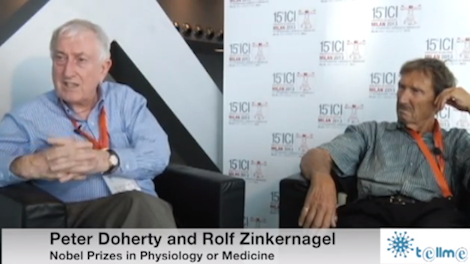
- Nobel prizes Rolf Zinkernagel and Peter Doherty, who wrote the book “Pandemics”
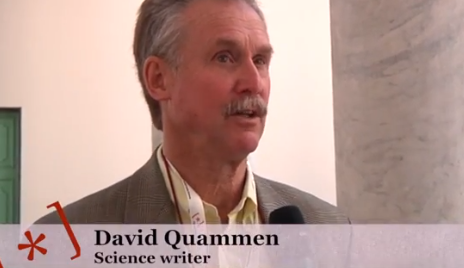
- David Quammen, author of “Spillover”
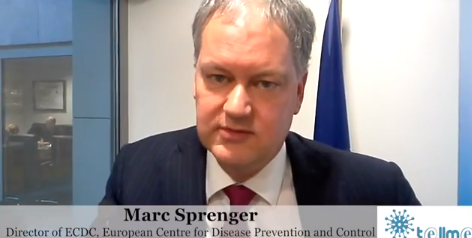
- Marc Sprenger, director of ECDC
- Pierluigi Lopalco, Head of the Vaccine-Preventable Diseases Programme, ECDC
- Karl Ekdahl, Head of the Public Health Capacity and Communication Unit, ECDC
- Toby Merlin, Director of the Division of Preparedness and Emerging Infections, US CDC
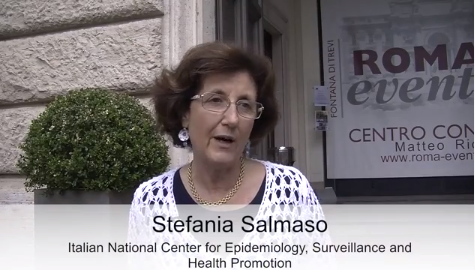
- Stefania Salmaso, Head of the Italian National Center for Epidemiology, Surveillance and Health Promotion, CNESPS, National Institute of Health (ISS) , Italy
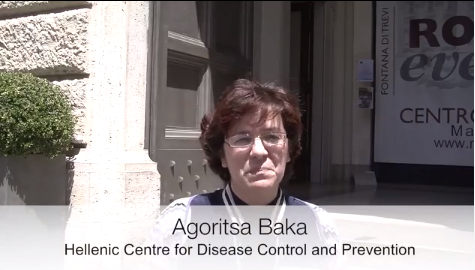
- Agoritsa Baka, Hellenic Center for Disease Control and Prevention, Greece
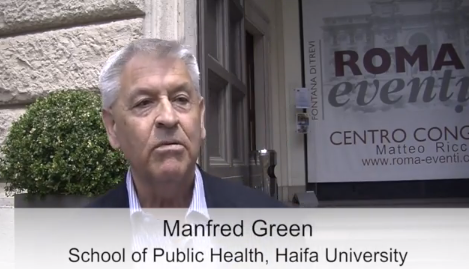
- Manfred Green, University of Haifa Public Health School
TELL ME MEMBERS
- Donato Greco, past director of the Italian National Center for Epidemiology, Surveillance and Health Promotion, ISS, now in charge with WHO European Regional certification Commission for Poliomyelitis Eradication
- Manfred Green, University of Haifa Public Health School
- Nigel Gilbert, CRESS, University of Surrey, UK
- Valentina Possenti, CNESPS, National Institute of Health (ISS) , Italy
- Emilio Mordini, CSSC, Italy

